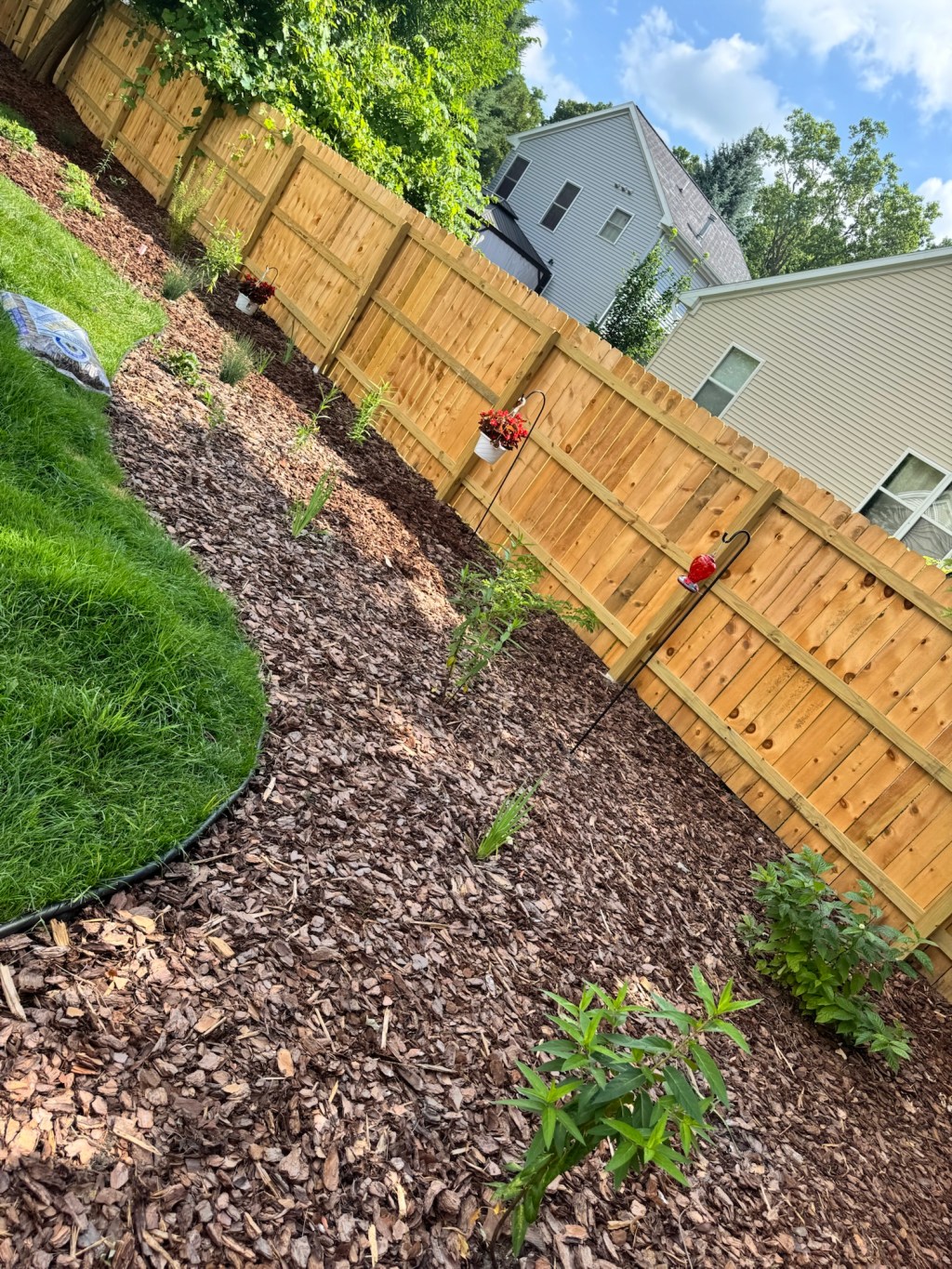
This time of year, everything in my garden is blooming! I spend hours outside tending to my newly planted oasis; pulling weeds, picking produce, speaking affirmations, admiring the beauty, watering. Whatever my plants need, I do my best to provide it. And when you really pay attention, you can tell what your “babies” need!
At the beginning of the summer, I wrote about the many benefits of being outdoors and how gardening can positively impact children physically, emotionally, and academically. In my post “Getting Dirty With It,” I listed some of the key benefits of gardening with kids. Now that my garden is full of visible growth, I want to dig a little deeper into some of the other kinds of growth that bloom through gardening.
🌱 Accountability
Gardening teaches children responsibility in a very real way. Plants rely on consistent care to survive. I recommend starting by researching together; read seed packets, look up plant care online, or check out books from the library. This step sets realistic expectations for both you and your young gardener.
Kids begin to understand that every action or inaction has a consequence. Forget to water? The plant wilts. Overwater? Roots may rot. But instead of seeing these as failures, we treat them as learning moments. Through these natural consequences, children build resilience and begin to understand that effort and care matter.
🌼 Diversity
Just like people, plants come in all shapes, sizes, colors, and abilities. Some grow tall, others stay low. Some bloom in vibrant colors while others are subtle and soft. Some thrive in dry, sandy soil while others need constant moisture.
In my own garden, I have butterfly weed (which loves dry soil) thriving across the way from black-eyed Susans (which prefer wet conditions). They’re entirely different, yet coexist beautifully in the same space. This is an important lesson for children to learn and understand.
Even produce from the same plant won’t always look the same. Some strawberries grow plump and round, others come out long and narrow—maybe even a little cracked. But they’re all still strawberries. Gardening gives children a powerful, hands-on way to explore and celebrate diversity. Every plant has its purpose, just like every person.
⏳ Patience
Growth takes time. Some plants sprout quickly. Others take weeks to show progress. This waiting game teaches kids that not everything happens overnight, and that’s okay.
Make the process more meaningful by documenting it: draw pictures, take weekly photos, or keep a gardening journal. You can even introduce simple math and science by measuring plant height, counting leaves, or charting weather patterns. It’s a wonderful way to bring STEM learning outside!
👃👁️👅👂✋ Sensory Exploration
Gardens are a feast for the senses. Encourage your child to engage all five:
See the colors, textures, and shapes of leaves and blooms. Smell the fragrant flowers, fresh soil, and ripening produce. Taste the fruits of your labor. Are they sweet? Sour? Unripe? Touch gently—feel the fuzz of a leaf or the roughness of bark. Hear the buzz of bees, birds chirping, and yes, even your voice as you speak kind affirmations to your plants.
Gardening reminds children that nature is something to notice, to respect, and to care for with intention.
💚 Sense of Self
There’s something incredibly powerful about helping something grow. Gardening can boost a child’s confidence and sense of purpose. They’ll feel pride in the flowers they’ve nurtured or the vegetables they’ve harvested. It also teaches care. When we tend to something with love, it thrives. That message reflects inward too: when we nurture ourselves, we bloom.
Plus, gardening encourages healthier eating habits. Kids are much more likely to try a fruit or vegetable they’ve grown themselves. Let them help choose what to grow, this ownership boosts excitement and curiosity.
🌍 Final Thoughts
Gardening is more than a hobby, it’s a chance to grow together. The benefits reach far beyond the garden bed. They touch children’s hearts, their habits, their health, and their outlook on the world.
You don’t need a giant yard or expensive tools. A pot, some soil, and a few seeds is all it takes to begin. Start small. Be patient. And remember kindness (to your plants and to yourself) goes a long way.
So, what are you waiting for? Get a little dirty. Grow something beautiful, inside and out.
Garden On

 The Transforming Teacher