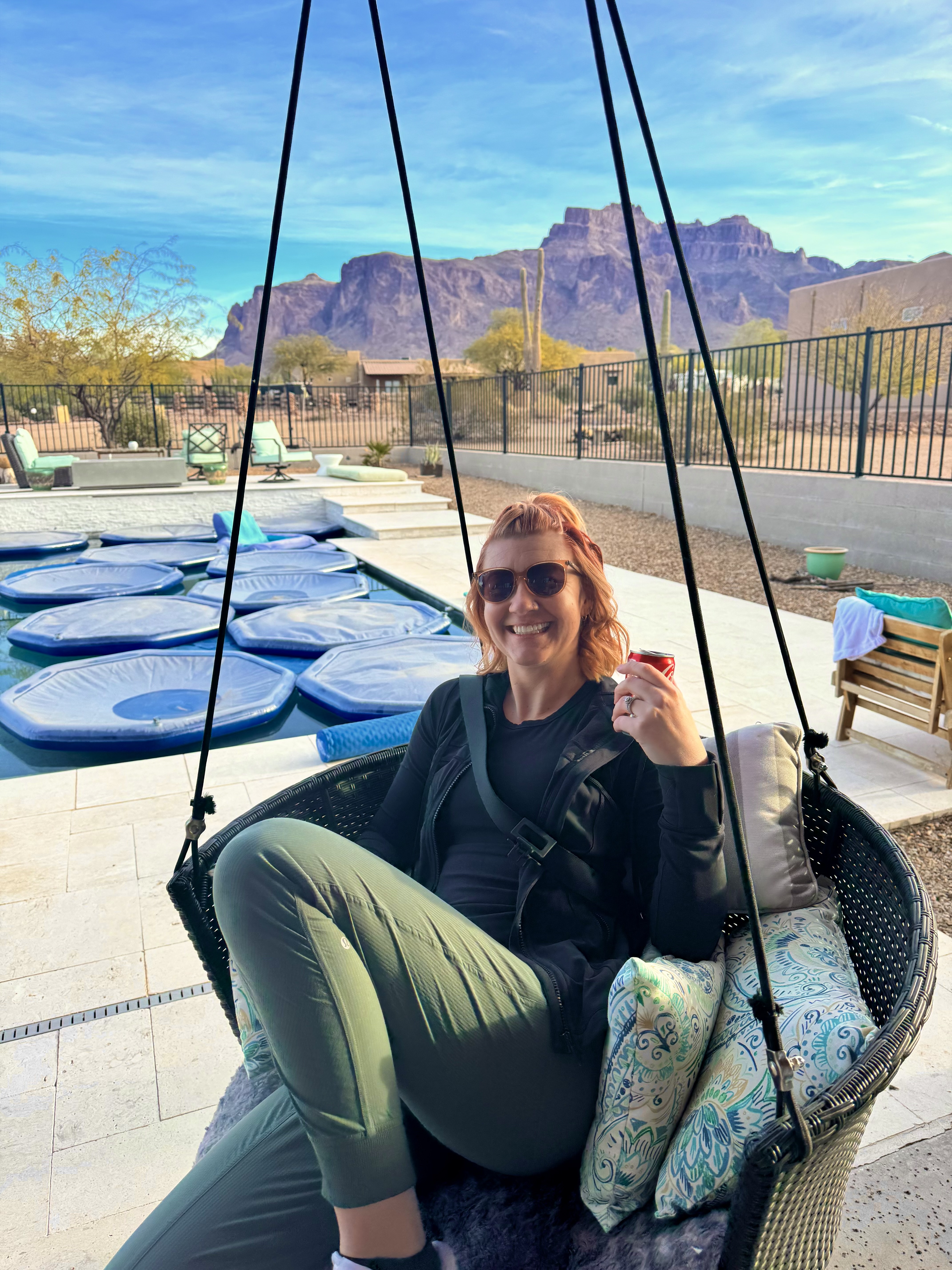


My husband and I purchased our home 10 years ago. Over the years we’ve made several changes to the home itself. Inside and out. Paint, trim, roof, HVAC, floors… we’ve worked hard to create the beautiful home oasis we get to and do enjoy every day. What we haven’t had to touch though is the beautiful community we were lucky enough to inherit the moment we moved in.
From the start we have used the nature trails near our home. Some years more than others… but regardless those trails have always been there. Summer, fall, winter, spring, Biking, walking, running…. Doesn’t matter when or how… those trails have been in use almost every day for the 10 years we have lived here. The trails provide us with a space to exercise, to get outside, to see and experience nature but it also provides us with a community of its own.
When you use the same trails and navigations daily you’re bound to “run into”… no pun intended… some regulars. Some people we see daily saying hi, how’s your dog, where’s your husband, how’s your dad, my grandson won his soccer match last week, building connection, a relationship tied somewhat directly to the path you walk though those connections branch out to deeper more rooted connections down the path… ok pun intended this time. Some people we’ve never met before greeting each other for the first and maybe only time. No matter what prior connection you’ve made there is a “current” connection of we’re both enjoying this path, this scene, this space and that connection is beautiful.
Let’s zoom in on the preschool classroom—because I’m the transforming teacher, remember? Out on the nature trail, community comes naturally. There’s connection, mutual respect, and a shared sense of purpose. You’re there because you want to be, because you’ve chosen to be.
But preschool isn’t always like that. For some children, it’s not a choice. They might hear:
- “You have to go to school.”
- “No one else can watch you.”
- “You have to get ready for kindergarten.”
While those reasons may be true, they don’t exactly inspire joy. So instead of “forcing” school upon them, let’s embrace the child right where they are.
Offer choices and follow their lead. Build relationships grounded in trust and security. Encourage positive peer interactions and create opportunities for children to work together.
Design a space where every child feels welcome, respected, and like they belong. Establish rules, boundaries, and expectations together, so children have ownership in their community. And then—most importantly—follow through consistently. Routines and predictability give children the confidence to explore, learn, and connect.
Because when children feel safe, respected, and valued, the classroom transforms from “a place they have to go” into a community they want to be part of.

 The Transforming Teacher